

BREAKING NEWS


Wetlands are sometimes called the “kidneys of the land”, with good reason. These natural systems slow, store, and filter water, helping farms and catchments cope with the growing pressures of extreme weather events. Across Taitokerau, protecting and restoring wetlands is an effective way to build resilience in the landscape while boosting native biodiversity.
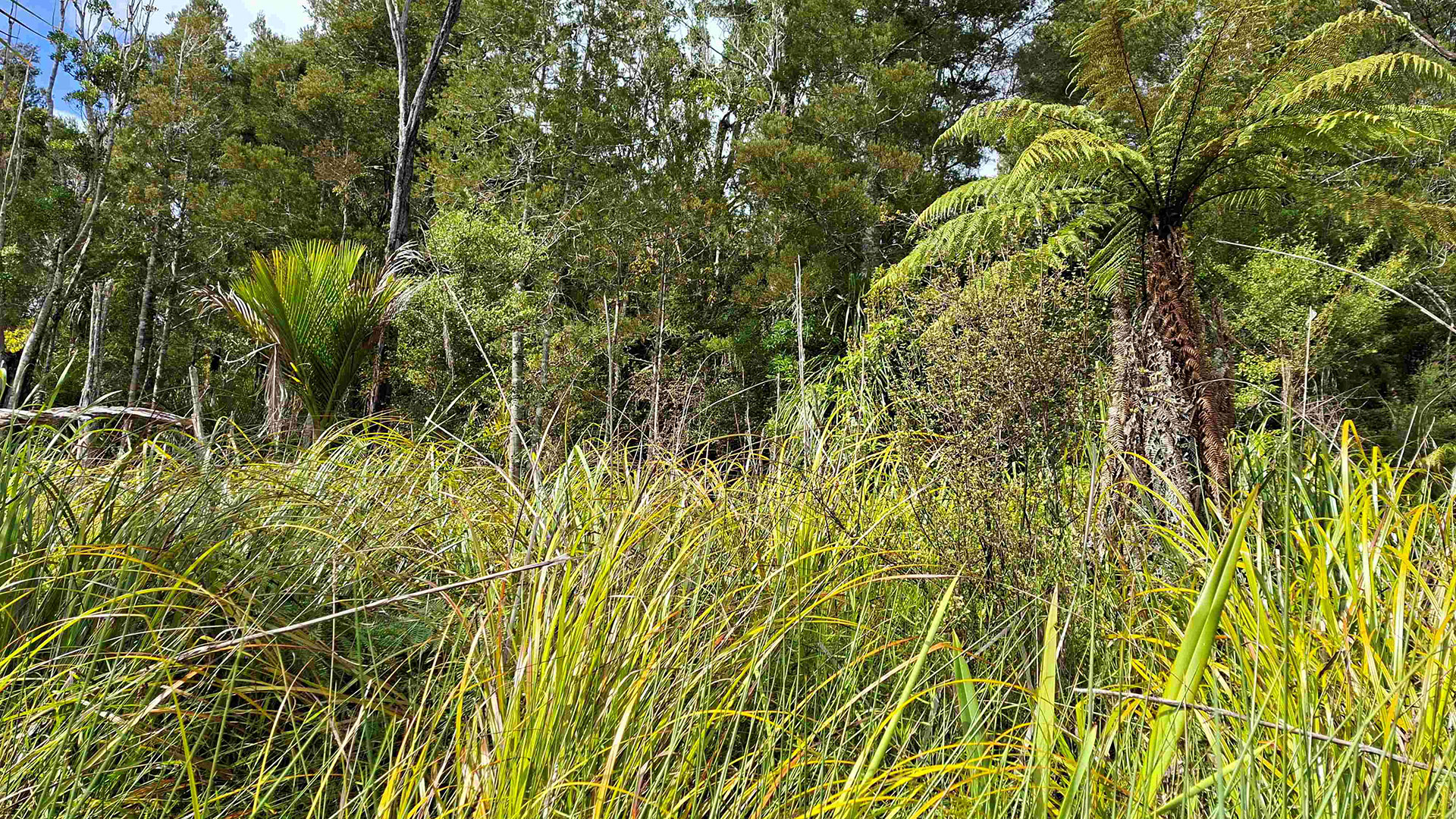
Native plants flourish in a wetland.
Wetlands act like giant sponges during heavy rain, soaking up water and releasing it slowly over time. This helps reduce downstream flooding and prevents valuable topsoil and nutrients from being washed away. In dry periods, wetlands continue to release stored water, supporting baseflows in streams and providing a buffer against drought; an increasingly important benefit for farmers dealing with hotter, drier summers.
For landowners, healthy wetlands mean healthier waterways. As water moves slowly through a wetland, excess sediment settles out, and soil microbes break down excess nutrients. Wetland plants take up these nutrients. This natural filtering and treatment system improves water quality, protects downstream pasture from sediment build-up, and helps maintain healthy, productive paddocks. Restored wetlands also help stabilise stream banks and reduce erosion, protecting fences, tracks, and paddocks from storm damage.
They are also biodiversity hotspots. Native species such as tuna (eels), īnanga (whitebait), matuku-hūrepo (Australasian bittern) and an abundance of wetland plants thrive in these habitats. Many of these species are threatened and depend on wetlands for survival. By protecting or restoring even small wetland patches, farmers and landowners play a crucial role in supporting wildlife and bringing back the rich natural character of our catchments.
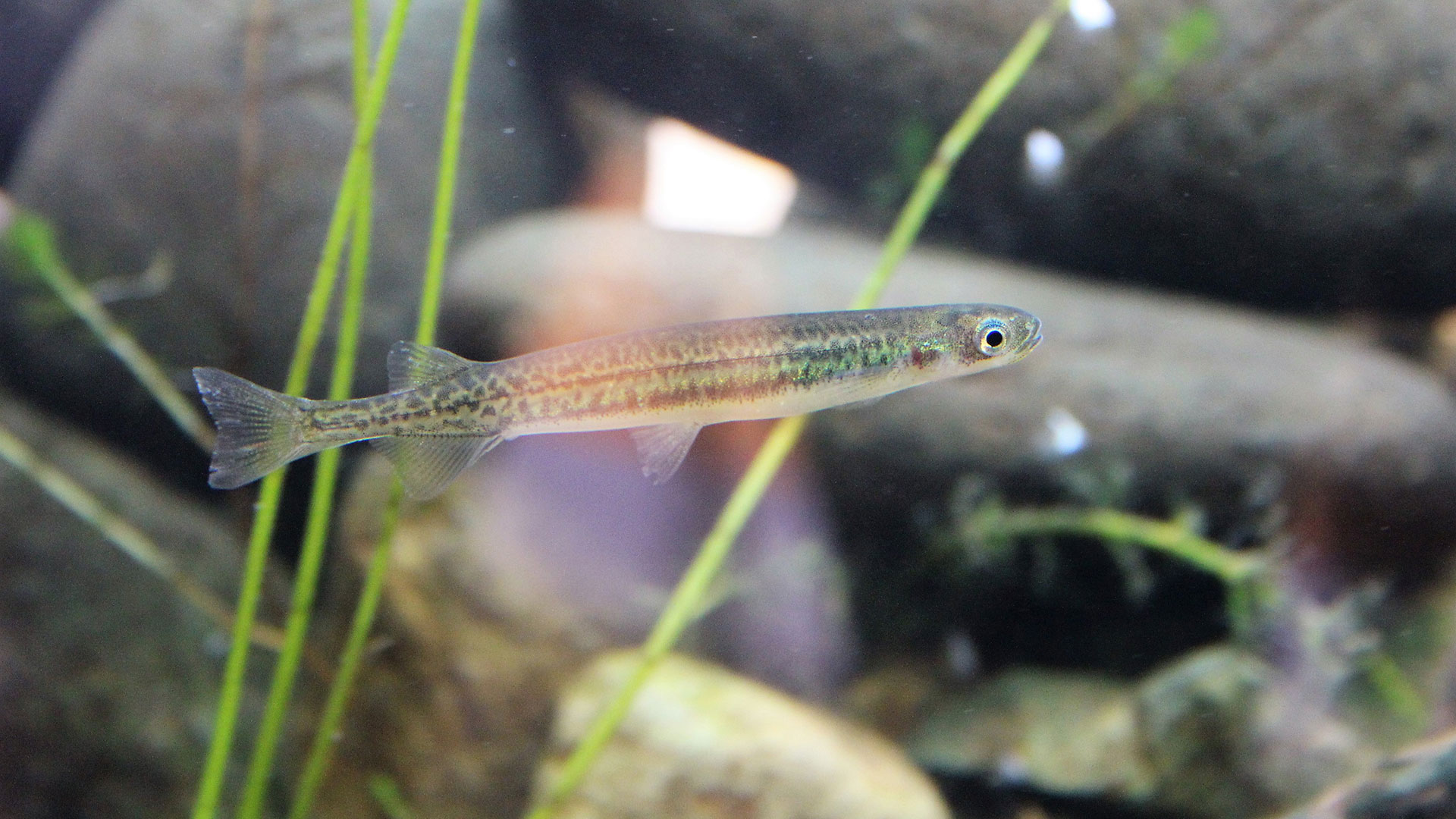
Īnanga (whitebait), one of the native species that thrive in wetland habitats.
One of the most important actions for building resilient wetlands is keeping stock out of waterways and wetland areas. Fencing off these zones prevents pugging, damage to sensitive vegetation, and contamination from animal waste. It also allows native plants to regenerate naturally and enables any restoration planting to establish successfully. A well fenced wetland quickly becomes more resilient and delivers greater long-term benefits to the farm.
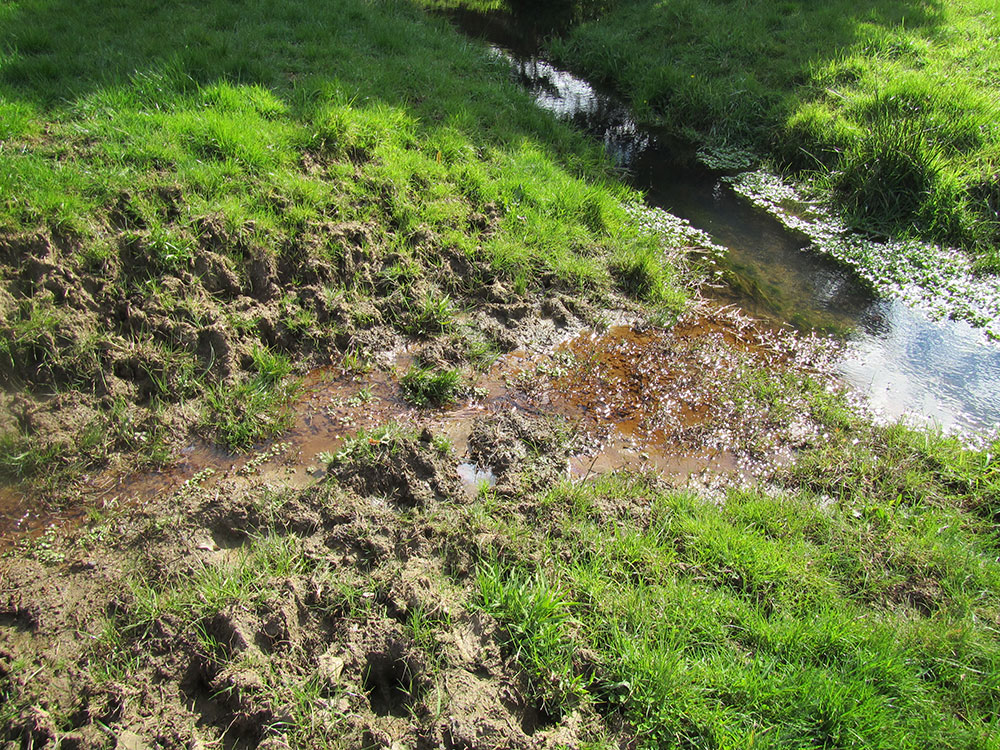
Prevent pugging and protect waterways by fencing livestock out of streams and wetland areas.
Whether it’s improving water quality, reducing flood risk, supporting biodiversity, or strengthening the farm’s ability to adapt to a changing climate, wetlands quietly do a lot of heavy lifting. Protecting them is a practical, cost effective investment that pays off for the land, the farm, and the wider community.
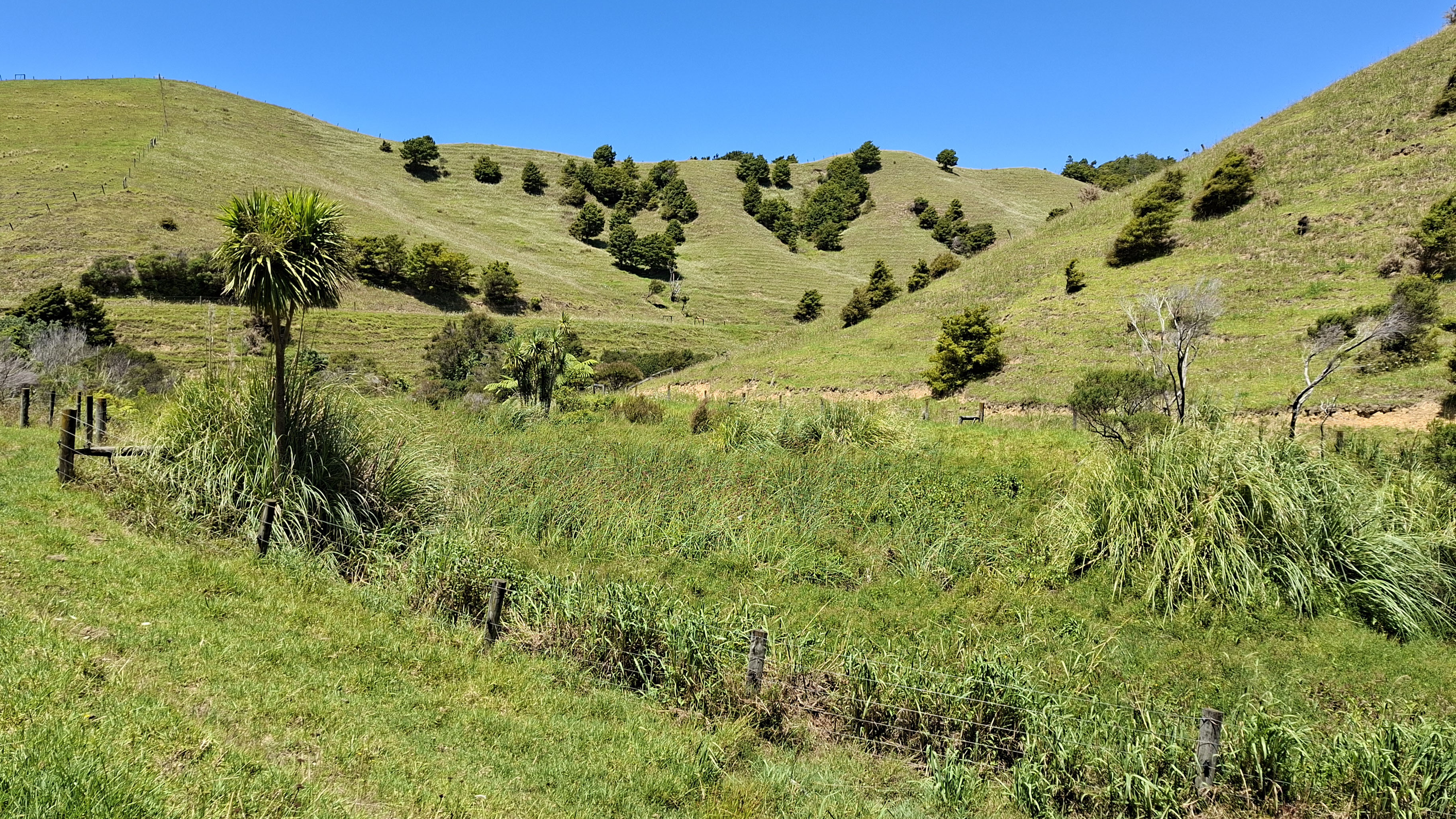
View of a fenced wetland.


