

BREAKING NEWS


At Morningside School, a simple idea to tidy a weedy, unused area has grown into a restoration project with real impact.
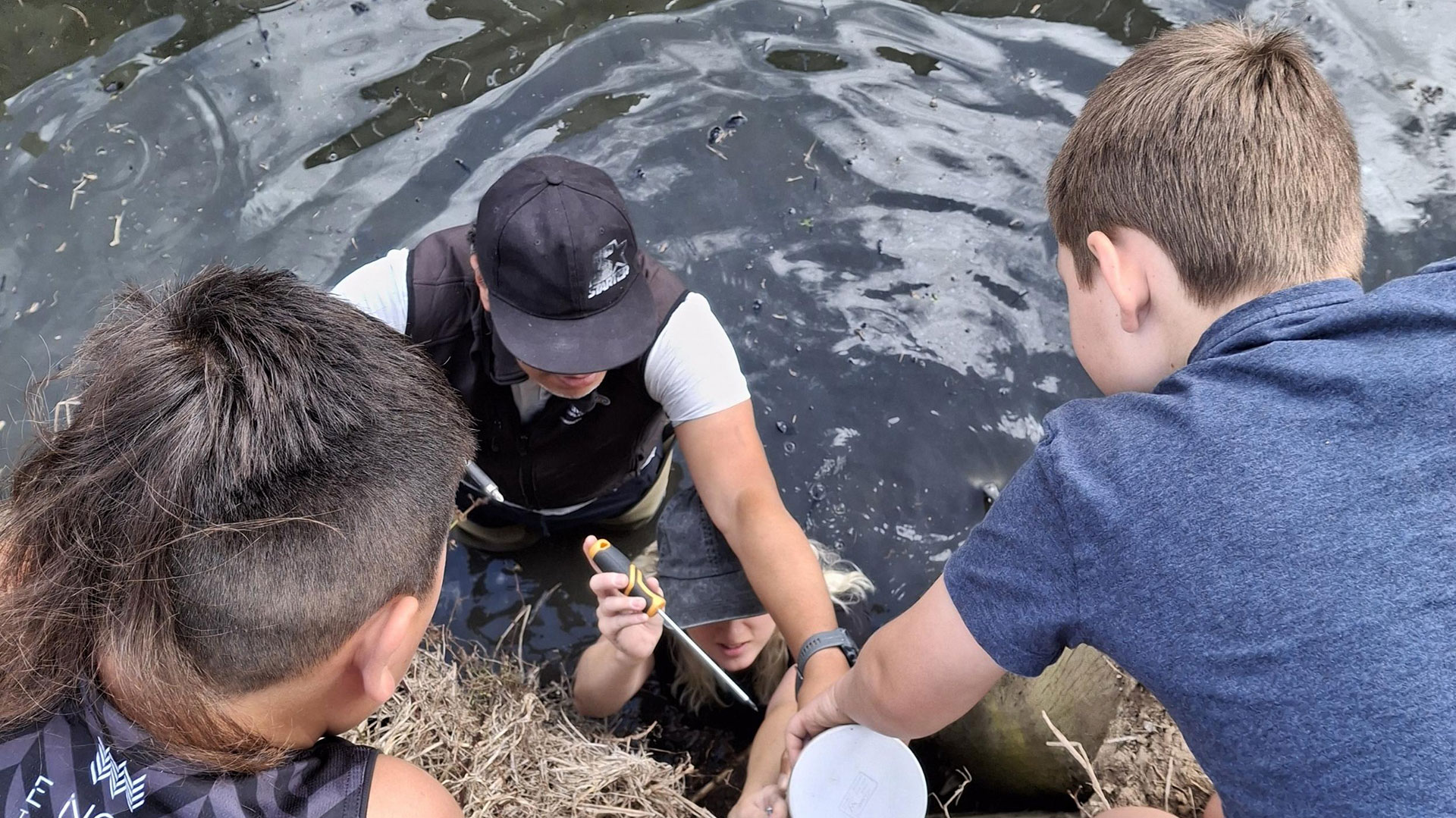
Ākonga at Morningside School while tidying a weedy, unused area have now built skills in testing water quality with the help of experts from NRC.
During the clean-up, ākonga discovered goldfish in their local awa, which shifted their focus to protecting native species like tuna and improving the health of this special ecosystem.
The project is supported by NRC’s education and biosecurity teams who have worked alongside the school to provide expertise and tools for success.
One of the first steps was installing cameras to track the invasive goldfish – an essential part of planning their removal.
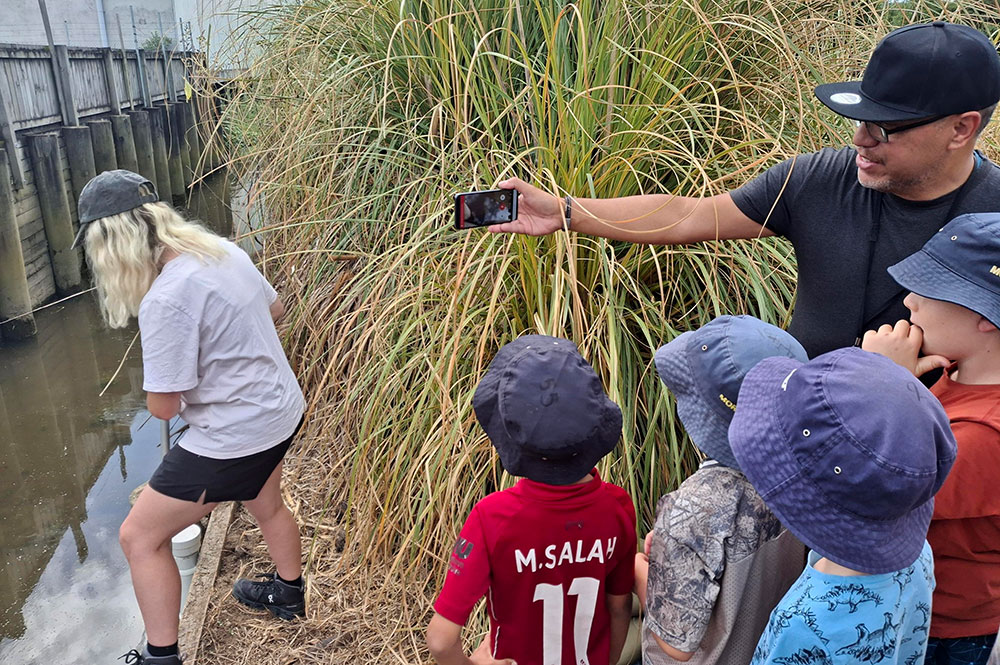
Getting a good look: one of the first steps was to install cameras to track the invasive goldfish, with help from NRC.
The partnership has given ākonga the chance to learn from specialists and see how science and community action come together to protect the environment.
“Our tamariki have become motivated leaders,” says Eden Hakaraia, Deputy Principal at Morningside School. “They’re not just learning about kaitiakitanga, they’re living it.”
From the start, ākonga have been hands-on, monitoring the awa and gathering data to guide the restoration.
They’ve built skills in understanding tides and water levels, mapping the stream’s path, and testing water quality to assess the health of the awa.
Their learning has also extended to researching pest fish removal and identifying invasive plants that threaten the ecosystem.
This process has shown them that kaitiakitanga is more than a concept. It is an active responsibility to protect native species and their habitats.
One memorable moment came when ākonga saw both native tuna and the unwanted goldfish in the same waterway.
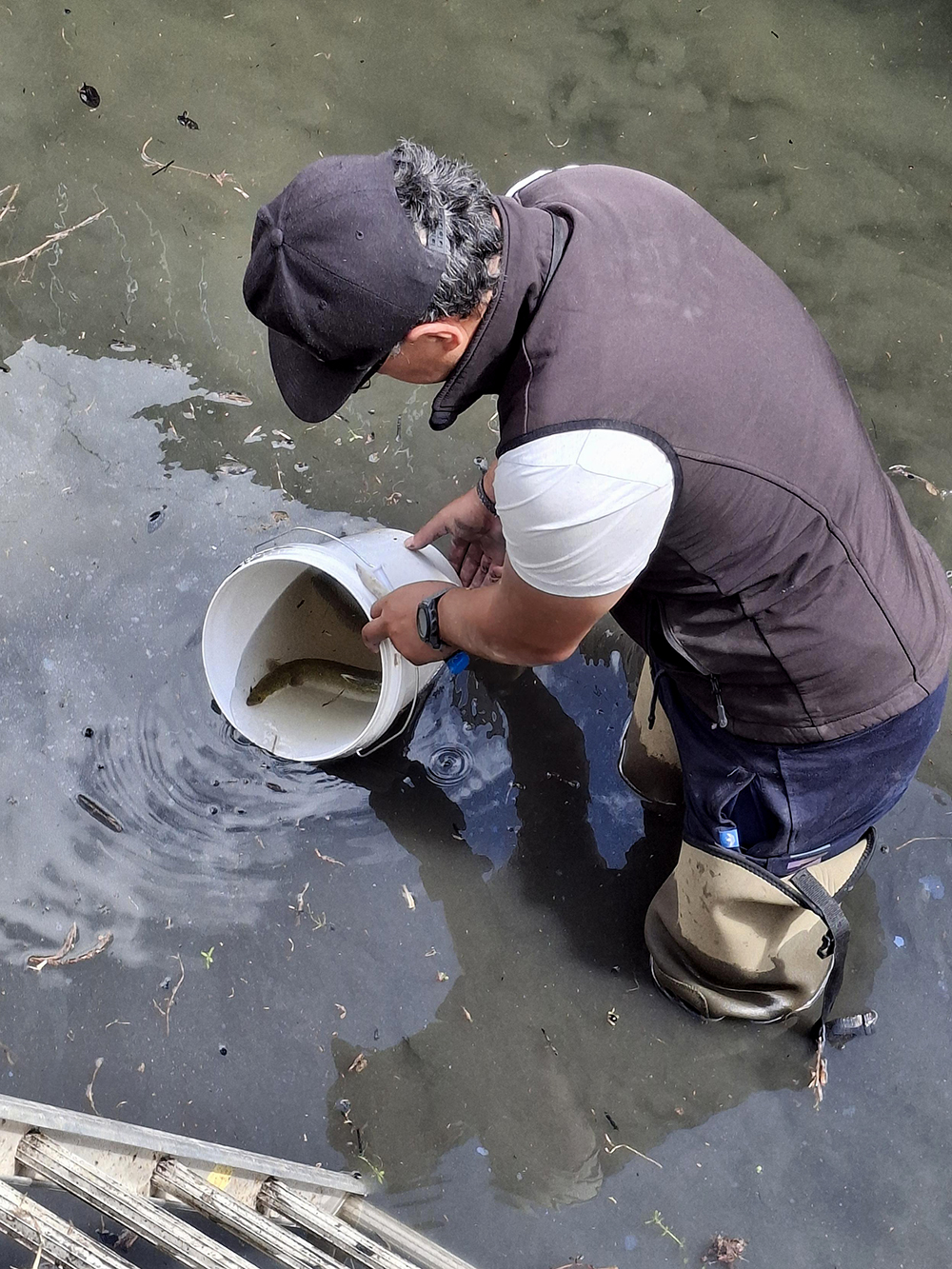
A memorable moment: native tuna spotted in the awa.
That sighting sparked the current research phase and strengthened their commitment to restoring balance.
The vision for 2026 is bold and exciting. The school plans to remove invasive fish (like the goldfish) and plants, restore the habitat by planting native species, and create an outdoor learning space where ākonga can connect with nature as true kaitiaki.
For Eden, the project is about more than environmental action. It is about empowering ākonga.
“They’ve learned that caring for the environment means understanding it deeply and taking real steps to protect it. That’s a lesson they’ll carry for life.”
This project shows what’s possible when schools and NRC work side by side.
By combining learning with real-world action, ākonga gain the skills and confidence to make a difference in their own environment.
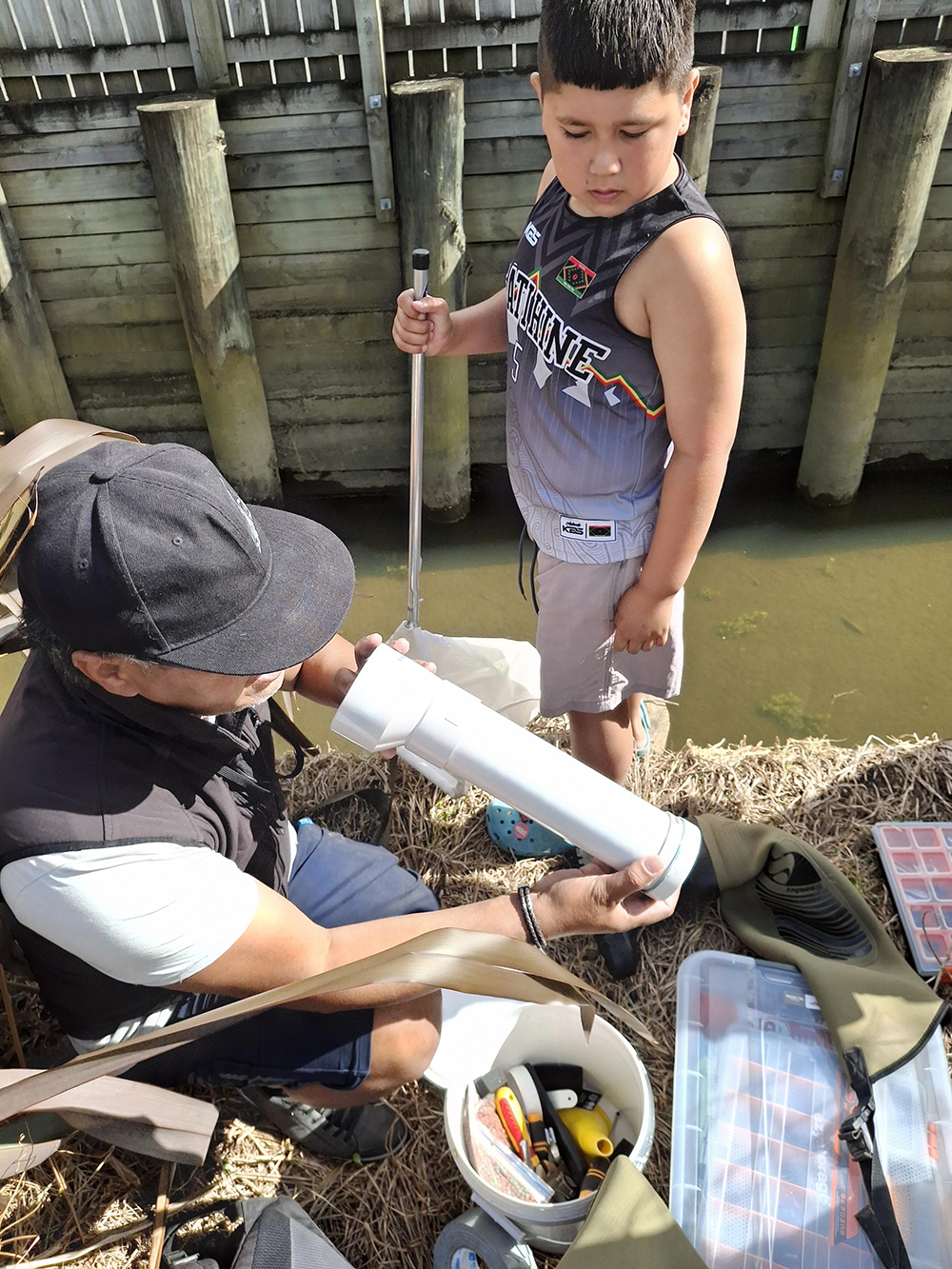
The Morningside School awa project shows what’s possible when schools and NRC work side by side.
