

Planning for resilience (Ngā Mahi Whakamahere)
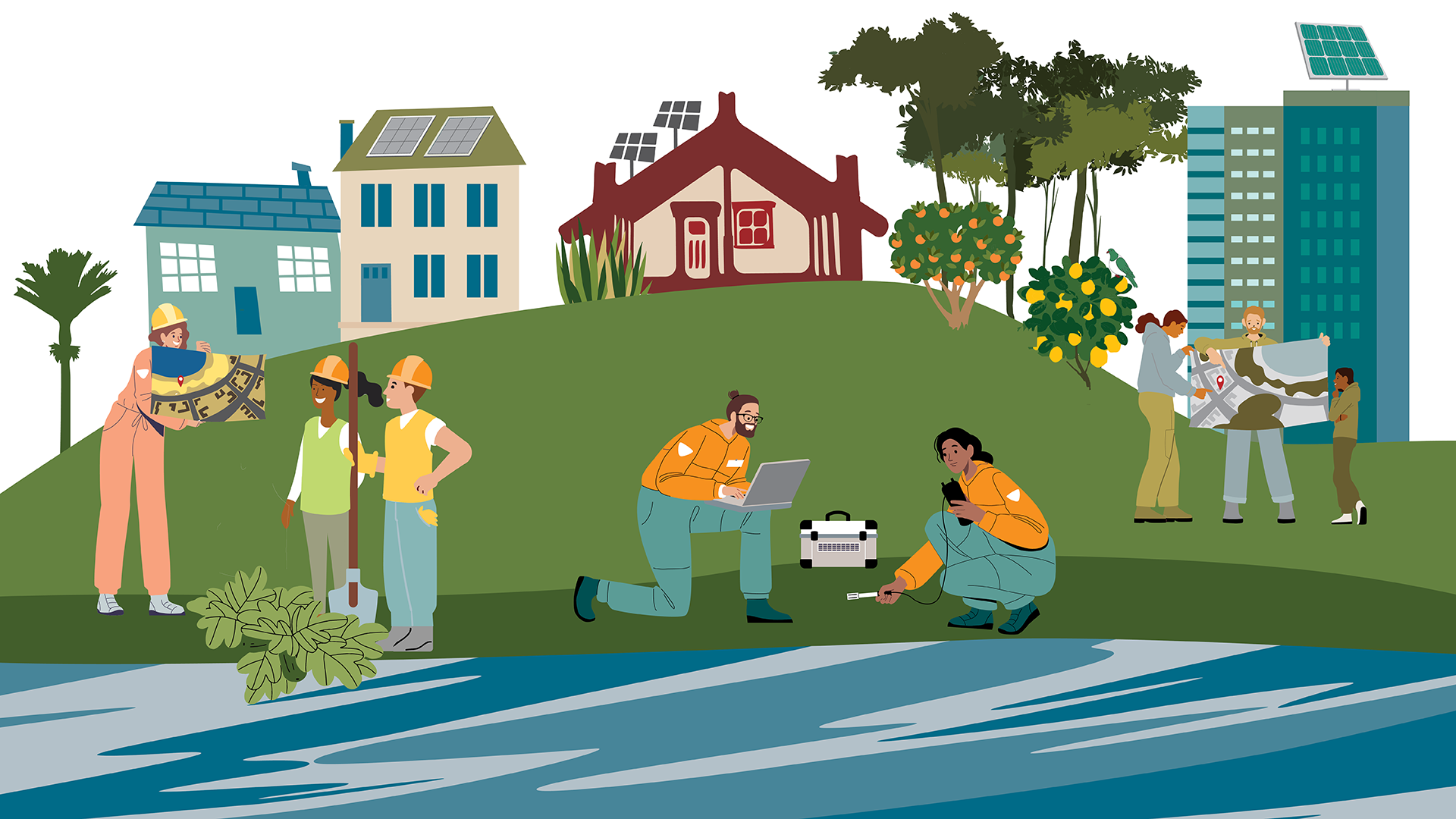
Planning for resilience (Ngā Mahi Whakamahere) aims to strengthen local connections, enhance community knowledge and understanding of climate impacts and empower communities to engage in adaptation planning.
Planning for the future means anticipating risks and building systems that can withstand shocks. Without preparation, storms, droughts, and rising seas will be harder to manage and more costly to recover from. Resilience planning is an investment in future success. It helps us prepare for emergencies and navigate gradual changes, but also to seize opportunities when they arise.
Whether preparing for drought, improving access to fresh water, expanding local food production, or reducing wildfire risk, community-led plans strengthen resilience and cultural connection, empowering action at a scale people can influence. When communities come together to share knowledge, resources, and set local priorities, they build trust and create practical, inclusive plans for change.
Mangawhai Museum and Historical Society
Special Exhibition on Storms
Storytelling, education, and interactive exhibits to help residents prepare for extreme weather. Featuring local storm stories, practical tips, and bilingual resources, the mobile exhibition brings climate preparedness to schools and rural communities, blending mātauranga Māori with science to foster connection, cultural identity, and intergenerational learning.
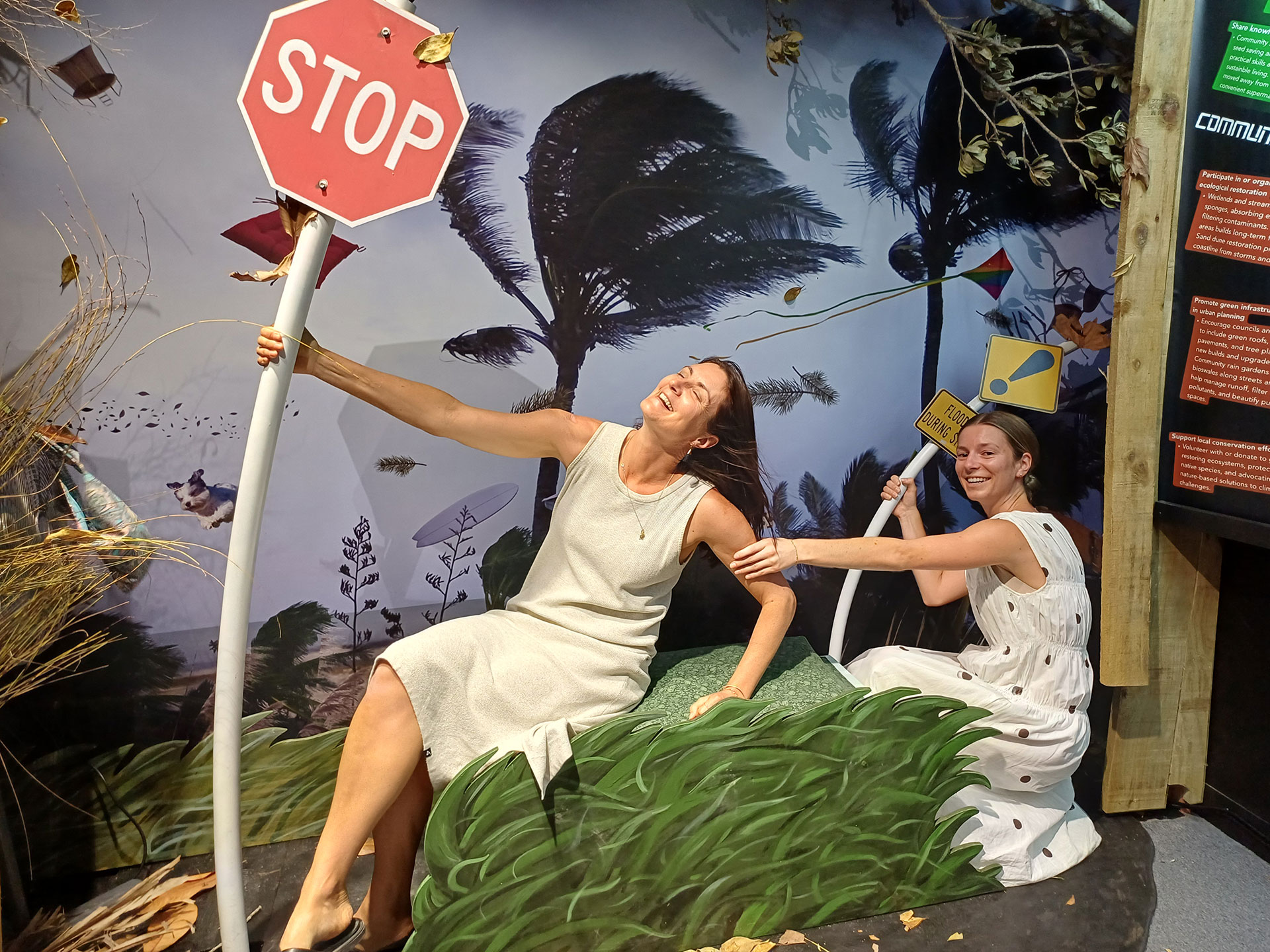
Members of the NRC Climate Action team experiencing the interactive Storm Zone exhibition at the Mangawhai Museum.
PermaDynamics
Syntropic Agroforestry Research and Training
Research and education initiative focused on Syntropic Agroforestry, training rangatahi, farmers, and community groups in regenerative food-growing practices through internships, workshops, resources, and starter packs.
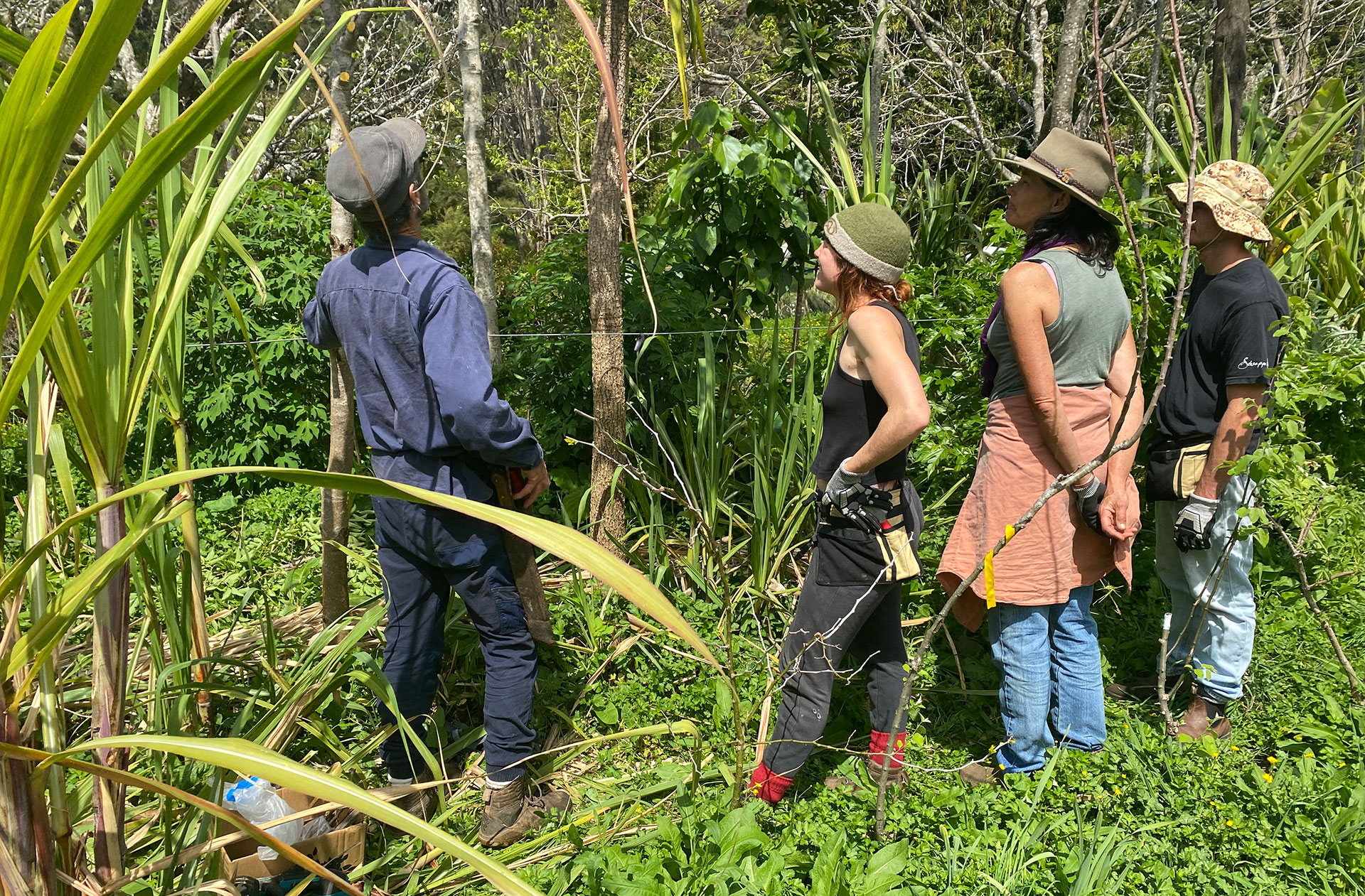
Syntropic Agroforestry interns learning about topics such building soil sponges for water and nutrient retention and vegetation that responds to local climate zones.
Kaitaia Intermediate School
Blake Virtual Reality session on climate change
Increasing engagement and understanding of climate change with the use of innovative technology.
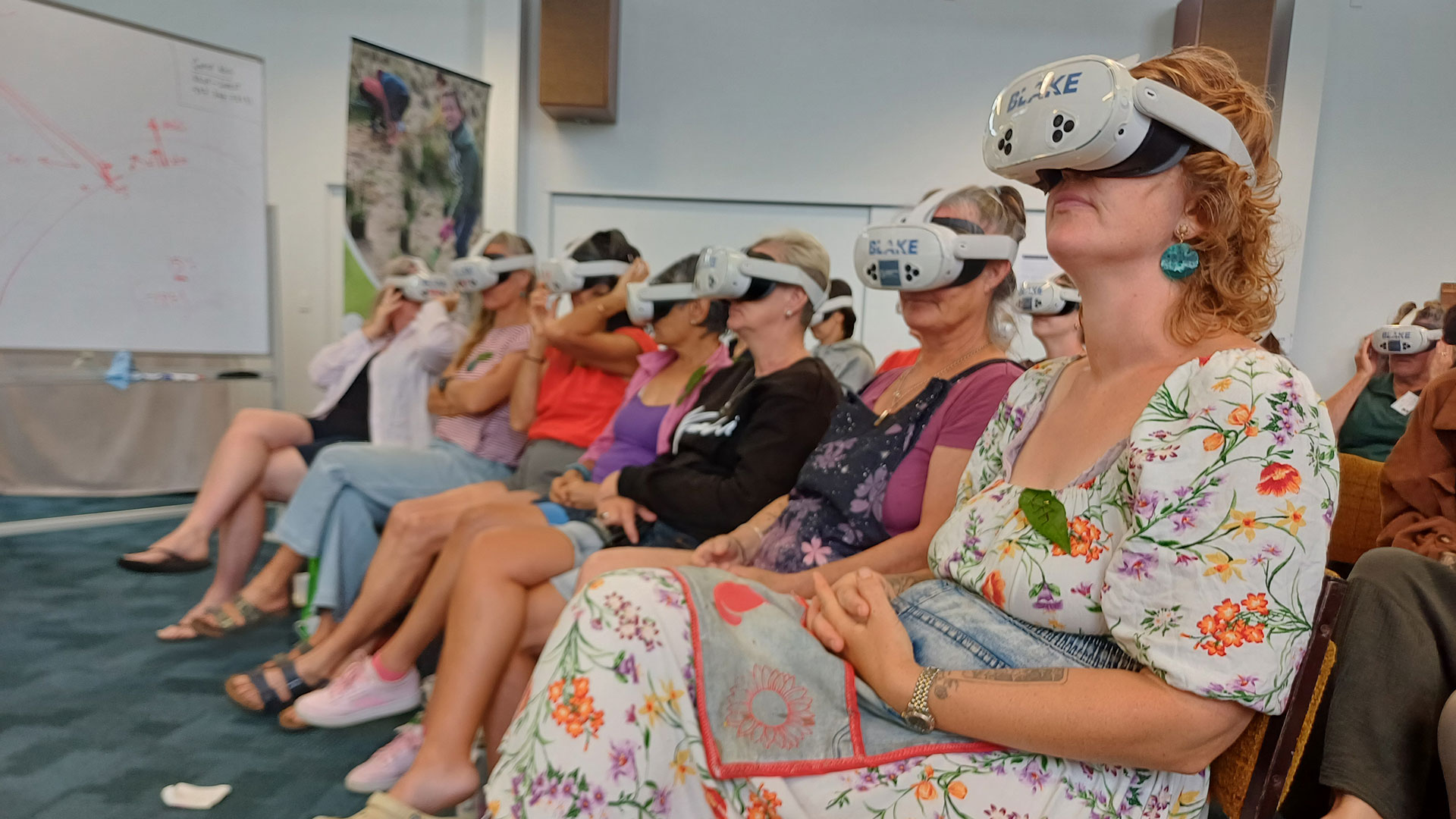
Educators being trained to use virtual reality equipment to understand and engage with climate change.
Climate Club Aotearoa
Te Taitokerau Student Climate Action Workshops
High-impact, youth-led program designed to spark locally driven climate resilience projects across Te Taitokerau. Workshops empower students to understand climate science, assess local risks, and create action plans on themes like transport, kai, and social innovation.
Ihirangi Trust
Te Aka Taiohi
Empowering rangatahi Māori to create culturally grounded educational resources on climate resilience.
Te aho Taiao o Waimamaku
Te Mauri o te Taiao
Combining mātauranga Māori and western science to monitor species and ecosystems, detect climate stress, and guide adaptive actions that protect biodiversity, food sources, and cultural practices in Te Taitokerau.
Community Business Environment Centre
Hokinganui a Kai
A regional trial for a National Community Composting Project that will foster a network of local composters. This initiative, which is designed to be 100% locally owned, will enable individual communities of all sizes to provide solutions to recover compostable resources and provide this high-quality product to their community.
Opuawhanga Community Hall Trust
Resilience Network
Resilience planning for the community with engagement, strength identification hui and capacity building initiatives.
Te Kōhanga Reo O Manaakitia
Kia manawaroa Te Kōhanga Reo o Manaakitia
Natural Hazard review of kohanga reo, considering future impacts of local natural hazards for future decision making.
Rural Support Trust Northland
Rural Support Climate Resilience
Understanding climate impacts and adaptation in rural communities. Project to initiate a conversation with farmers about a changing climate in the rural sector and where the farming community want to focus efforts to build their resilience.